Tuesday, October 27, 2015

Senior Project & Hematology/Oncology Nurses

Overall view on my project is going smoothly but slowly (sad face.) However, I finally achieved assimilating an internship at a pediatrics office (Name is confidential due to security reasons since this blog is open to anyone.) I’m sensationally awakened by this prodigious opportunity and I’m doubtlessly ready for the authentic world (maybe I’m still panicky.) I start my wonderful internship next Tuesday and of course I get to “scrub it up!” ( nurse term meaning I get to wear scrubs!) Any who, this is the nurse specialist for the week:

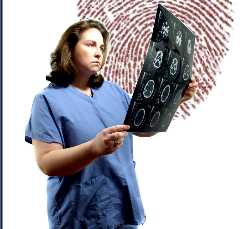
Hematology/Oncology Nurses

Hematology and Oncology specialties are closely related in a medical environment. Leukemia and other blood-related diseases have a close association with cancer and require similar care paradigms.

Nurses drawn to this specialty must have a desire to work closely with patients whose diseases could lead to death. Family and patient support are a priority, along with education of disorders and diseases. Patients with cancer often go through a wide range of physical, emotional, and spiritual changes, all of which nursing personnel must manage and offer support for. On the other end of the care spectrum, Hematology/Oncology nurses have highly technical skills, especially when it comes to knowledge of cancer care, such as chemotherapy and radiation. Nurses in a few related sub-specialties may work in a Hematology/Oncology unit:
  • Acute care Nurse
  • Intravenous Therapy nurse
  • HIV/Aids nurse
  • Infectious Disease nurse

Hematology/Oncology nurses are experienced with sedatives and antibiotics, various drugs and medications used to treat patients, and may be responsible for their own IV therapies. Skilled nurses may be primary administrators of chemotherapy, as well.
Besides hospital settings, Hematology/Oncology nurses may also work in cancer centers, outpatient treatment clinics, home health nursing, hospice care, correctional facilities, long-term and assisted care facilities. Patients living with cancer may not be hospitalized, but may require regular nursing check-ups, counseling, and drug therapies for proper maintenance of their disease.
Nurses with advanced practice degrees may also pursue nursing research and assume oncology nurse manager, educator and administrator roles. Two closely related oncology specialties are pediatric hematology/oncology nursing and hospice nursing.
Nurses with Associate's and Bachelor's degrees may start their careers in hematology/oncology environments, most commonly in a hospital. In settings such as these, entry-level nurses can easily harness significant knowledge specific to the specialty.

Nurses with a number of years in a clinical oncology work environment may wish to pursue advanced degrees. Clinical Nurse Specialists and Nurse Practitioners often specialize in oncology. These Master’s in Nursing degrees qualify graduates to apply for management level roles, as well as deliver patient care and treatment plans independent of physicians.

Salary:
$54,000 - $93,000

Tuesday, October 20, 2015

Neonatal Nursing

The neonatal period is defined as the first month of 
life; however, these newborns are often sick for 
months. Neonatal nursing is a sub specialty of nursing that works with 
newborn infants born with a variety of problems ranging from prematurity, birth 
defects, infection, cardiac malformations, and surgical problems.  Neonatal nursing generally encompasses those infants who experience problems shortly after birth, but it also encompasses care for infants who experience long-term problems related to their prematurity or illness after birth. 


A few neonatal nurses may care for infants up to about 2 years of age. Most neonatal nurses care for infants from the time of birth until they are discharged from the hospital. Approximately 40,000 low-birth-weight infants are born annually in the United States. Because of significant medical advances and the efforts of physicians and nurses who provide for very vulnerable babies, survival rates are 10 times better now than they were 15 years ago.


Many career options are open to neonatal nurses. Many start out as staff nurses caring for critically ill newborns. As a staff nurse you may provide highly technical care for acutely ill infants or supportive care for convalescent or mildly ill newborns. On an average day you may assist a new mom with breastfeeding her infant, care for a very ill full-term infant who is on a ventilator and receiving numerous IV medications, or attend the delivery of a very small and premature infant. You will find many opportunities to work with parents and families as they learn how to care for their infants, and you will help integrate parents into the critical care that you provide. You'll find tremendous satisfaction in watching some of the smallest and sickest babies stabilize, grow, and eventually go home with their families.
As you become more experienced in your neonatal nursing role, you'll find many opportunities to grow professionally and expand your practice. After working with neonates for a time, many neonatal nurses choose to take a national certification test to validate their knowledge. 


YOUR JOB CHARACTERISTICS:

  • Fast-paced
  • Multifaceted
  • Structured
  • Patient-facing


Salary: $98,180

Monday, October 5, 2015

Diabetes Nurse

A diabetes nurse works with patients who have diabetes (Go figure). When people have diabetes, their body is no longer producing enough insulin to break down the sugars in the food they eat to provide energy. As a result, their body is not receiving the nutrients they need and their blood is becoming saturated with sugar, which leads to a host of problems. Diabetes nurses may work on their own to provide patient education, including nutrition and fitness information, or they may work with an endocrinologist, a doctor who specializes in disorders such as diabetes. Because coping with diabetes requires a patient to make several in-depth lifestyle changes, diabetes nurses usually have a longer and deeper relationship with their patients than a family practice nurse or a clinical care nurse might.

THINGS YOU'LL DO:
  • Help patients monitor their blood sugar
  • Minimize diabetic nerve damage
  • Give nutritional therapy
  • Teach proper diet, exercise, and lifestyle


YOUR JOB CHARACTERISTICS:
  • Structured
  • Patient-facing
  • Research-oriented


How to get there: 
To become a diabetes nurse, your first step is to become a registered nurse and then work as a nurse in a facility that specializes in treating diabetes. You will need at least 500 hours of working in a diabetic clinic or facility and your Master of Science in nursing before you can apply to receive your Advanced Diabetes Management Certification through American Association of Diabetes Educators.
Growth outlook: 
Diabetes is one of the fastest-growing diseases in the country, so the demand for diabetes nurses is expected to grow very quickly, as much as 39%!
Salary: 
The median salary for a diabetes nurse is $75,000.


Tuesday, September 29, 2015

Geriatric Nursing

Well in short; THEY ARE MAKING US LIVE LONGER! Kind of... These nurses are the ones you see in old folk homes who help the elderly. It is a fast growing career. These older adults are at greater risk of injuries and diseases like osteoporosis, Alzheimer's and cancer, which is why Geriatric Nurses focus on preventative care. They also help patients, and their families, cope with certain medical conditions that develop later in life. As a Geriatric Nurse, you can work in nursing homes, with home healthcare services and in hospice facilities taking care of bedridden patients, those with impaired mental ability, and for patients who are in pain.


THINGS YOU'LL DO:
  • Help rehabilitate patients after injuries
  • Conduct routine check-ups and screenings
  • Develop patient care plans
  • Administer medication
  • Assist with pain management
  • Bathing and bedsore prevention


YOUR JOB CHARACTERISTICS:
  • Multifaceted
  • Structured
  • Patient-facing

COOL FACTS: 

  • More than 157,200 registered nurses have completed a master’s level program to become certified nurse specialists (CNS), nurse practitioners (NP's), or both.
  • Only 3 percent of all advanced practice nurses (CNS and NP) are certified in geriatric nursing.
  • 25 percent of nursing programs in this country lack a gerontological faculty member.


  • So in conclusion you have to be comfortable around old naked bodies. Well bodies in general to just become an original Registered Nurse. 

    Tuesday, September 22, 2015

    Traveling Nurse

    The Assignments of a Travel Nurse can last over one year in duration, but the majority of assignments usually last from 3 to 4 months. Travel Nurses cover for Nurses who are on vacation, training or maternity leave, along with filling the gaps with urgent shortages of staff due to epidemics or pandemics. Travel nursing is a rewarding career for qualified nurses, as they gain a wealth of experience working in different clinical settings.
    All of the following nursing specialties are in constant demand for Travel Nursing:
    Advance Practice Nurse.
    Licensed Practical Nurse (LPN).
    Licensed Vocational Nurse (LVN).
    Radiology Nurse.
    Registered Nurse.
    Rehabilitation Nurse.
    Nurse Practitioner.
    Occupational Health Nurse.
    Other Allied Healthcare Professionals.
    Where they work: As a Travel Nurse you can travel to many healthcare facilities and gain a wealth of experience working on assignments in different healthcare settings in all 50 states. You can also choose to work close by if you have commitments and are not able to leave your hometown. It is important to choose a good Travel Nurse Agency or Company to ensure you receive good working assignments when and where you require.


    Salary
    Travel nursing salaries vary depending on the facility, location, and specialty, but RN's can receive competitive pay rates with our travel nursing partners. Nurses who travel with our partner companies can see up to 15 percent more in each paycheck.


    You need basic requirements as a nurse. (Good with blood) etc...

    Tuesday, September 15, 2015

    Forensic Nurse

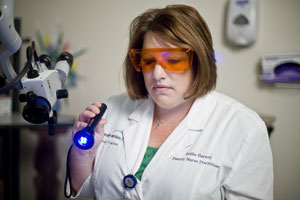
    Sounds pretty foreign doesn't it? Well it's not actually. Forensic Nurses help investigate crimes like sexual and physical assault, and accidental death. They are trained in medical evidence collection and the criminal justice system. As a Forensic Nurse, your job will be detail-oriented, with most of your time spent in hospital emergency rooms, helping interpret any first signs of foul play. You’ll also testify in court as an expert medical witness. 


    THINGS YOU'LL DO:

    • Take blood and tissue samples
    • Photograph and measure wounds
    • Collect other vital evidence on the body
    • Provide support and encouragement for victims       


    YOUR JOB CHARACTERISTICS:

    • Fast-paced
    • Structured
    • Patient-facing
    • Research-oriented

    HOW TO GET THERE:
    . Get your Associates of Science and Nursing (ASN)  or Bachelor of Science and Nursing (BSN)
    . Pass your NCLEX-RN (National Council Licensure Examination.)
    . Pass: Pediatric, or Adolescent/Adult Sexual Assault Nurse Examiner certification exam 
    . Become a: Certified Sexual Assault Nurse Examiner


    What is the Importance of Forensic Nursing?
    Borrowing on their training and experience in observation as a part of their care-giving role, the forensic nurse has the unique position of being a qualified medical professional trained to observe, recognize, collect and appropriately document evidence that ultimately becomes foundational to establishing the legal causation and responsibility for traumatic injury.

    Sexual Assault Nurse Examiners

    Sexual assault nurse examiners offer compassionate, prompt care to victims of sexual assault. Qualified through a specialized forensic nursing education, they assess and evaluate injuries that a victim has suffered; locate, collect and package forensic evidence relevant to the crime; and provide information or referrals regarding the victim's continued care. In the court room, sexual assault nurse examiners represent the victim, serving as expert witnesses who offer testimony based on their documented evidence.


    Legal Nurse Consultants

    Legal nurse consultants aid attorneys working on civil cases where the law and medicine overlap. Some of these situations might include medical malpractice, personal injury, workers' compensation and probate. Legal nurse consultants apply their forensic nursing education and clinical experience to interpret, research and analyze the medically-related information relevant to a case or claim, educating attorneys about medical facts and acting as liaisons between attorneys, physicians and clients.
    These are just 2 forensic careers a nurse can do if he/she wants to become a specialist. Seems pretty scary... You have to be good with blood in order to do this job.


    Tuesday, September 1, 2015

    Transplant Nurses

    So throughout this blog I'm going to write about the different types of nurses that are out there that you probably didn't know existed. However for now we're just going to keep this simple and straight forward.
    Transplant nurses are basically nurse assistants during a surgical procedure. They have a HUGE role to play. Transplant Nurses assist in procedures in which an infected organ is to be replaced with a donated healthy organ of the same kind. A few examples of organs that are frequently transplanted include the liver, kidney, pancreas, small bowel, heart, and lungs. Crazy right?

    What to expect: As a Transplant nurse, you can assist the medical team during surgery and work in post-operative care, monitoring patients for complications like organ rejection.
    This means staying up for more than 24 hours, day through night just to get the job done.

    Things you"ll do:  
    .You have to take medical histories
    .Order lab tests to confirm an organ match
    .Clear patients and donors for surgery
    .Monitor patients' vital signs after surgery

    How to become a Transplant Nurse: 
    Safe and successful organ transplants require a very skilled team of professionals. One of the most important professionals on an organ transplant team is a transplant nurse. Transplant nursing is a very challenging and specialized field, and it’s important to start with the proper education. Most transplant nurses hold a minimum of a bachelor’s degrees in nursing. Many employers, however, may require transplant nurses to hold master’s degrees or PhD's.  During your schooling, you should concentrate your studies on medical-surgical and transplant nursing. Courses in critical care and intensive care are also strongly recommended.
    The American Board for Transplant Certification offers a Certified Clinical Transplant Nurse (CCTN) examination. To be eligible to take the exam, you must be a registered nurse with at least two years of clinical experience. You must also have at least a year of experience dealing directly with transplant patients.

    Salary: 
    1. $62,000
    2. Average Salaries Across The Country
      So now you've got the general idea of what it's like to be a Transplant Nurse. There's plenty more they deal with.